Comparison · · Warehouse & Platform Trolleys
Which picking trolley to buy: basket, shelves or covered cart
A wire basket picking trolley rated 500 kg costs from £29 ex VAT, bulk price, and is the right pattern when pickers drop loose cases into one deep basket. Move to a three tier wire shelf trolley from £48 ex VAT, bulk price when orders have to stay separated on the round, and to a framed steel 500 kg stock trolley from £51 ex VAT, bulk price for full cases in a cash and carry. Any quantity is welcome, and your written quote confirms the price for your quantity.
What is a picking trolley, and which jobs is it for?
A picking trolley, also called an order picking trolley, a picking cart or a stock trolley, is a pushed steel trolley with a basket, shelves or a framed deck, used while staff walk a pick round or fill shelves. It is not the same thing as a flat platform trolley: the sides or frame are the point, because they stop stacked cases sliding off when the trolley turns at the end of an aisle.
Three jobs account for most of what we quote. Order picking in a stockroom or small warehouse, where a picker collects items from shelves and brings them to a packing bench. Shelf filling in a supermarket or convenience store, where cases come off a pallet and go out to the aisles. And moving full cases round a cash and carry or wholesaler, where loads are heavy and the trolley is in use all day.
The pattern you choose follows the job, not the price. A basket is fastest to load and slowest to sort. Shelves are slower to load and keep orders apart. A framed deck takes the heaviest loads but needs the load stacking properly.
Wire basket, shelves or covered: which picking trolley pattern?
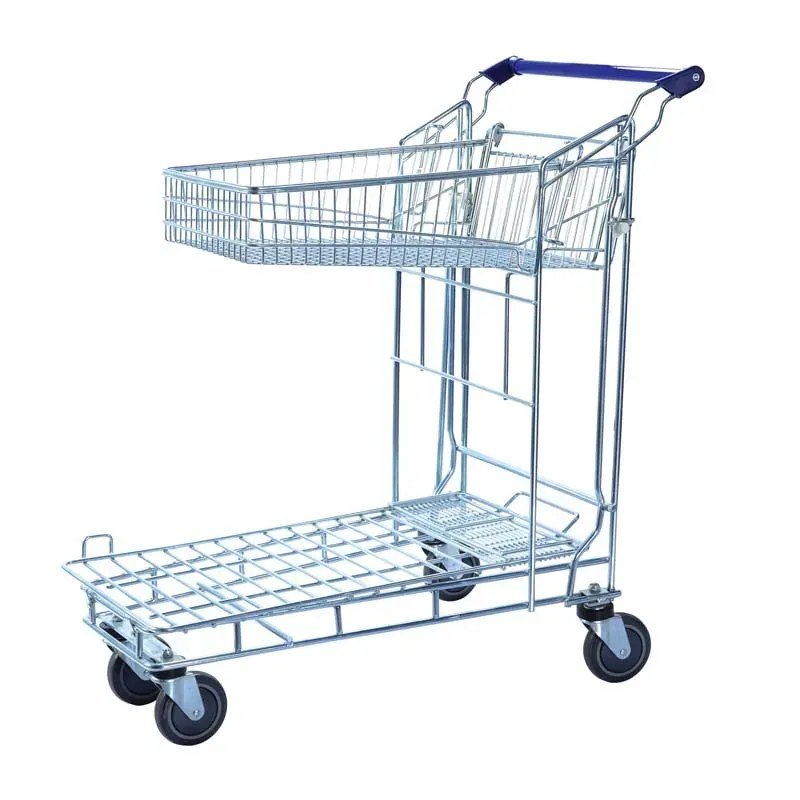
One deep wire basket. Everything goes in, nothing falls out, and the picker does not have to think about where to put it. This is the pattern for single order picking and for returns and waste collection. The 500 kg wire basket cart is from £29 ex VAT, bulk price. The drawback is sorting at the other end, and crushing: small items end up under heavy cases.
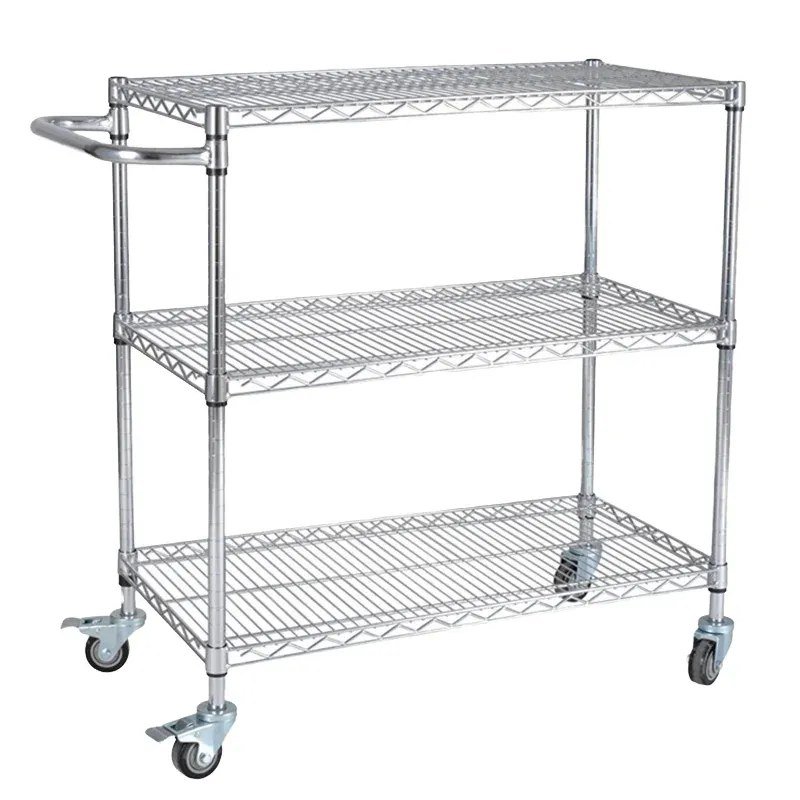
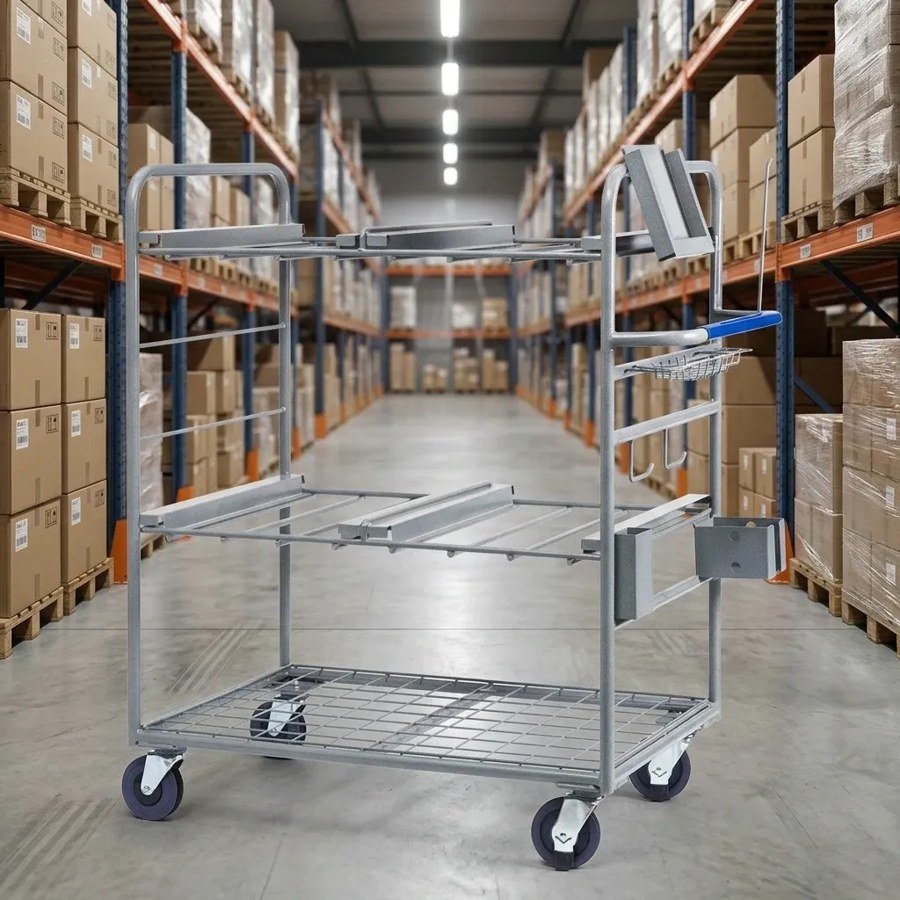
Open shelves, two or three tiers. One tier per order, or one tier per aisle. The three tier wire shelf trolley is from £48 ex VAT, bulk price and rated 100 kg over the whole trolley, so it is for totes, cartons and loose items rather than drums or sacks. Wire shelves let you see what is on the tier below, which saves a picker bending twice.
A covered basket. Mesh sides plus a hinged lid or cover, for stock that has to be kept out of sight or out of the way of dust and water on the way through a yard. It costs a little more to load because the cover has to be lifted, so specify it only where it is doing a job.
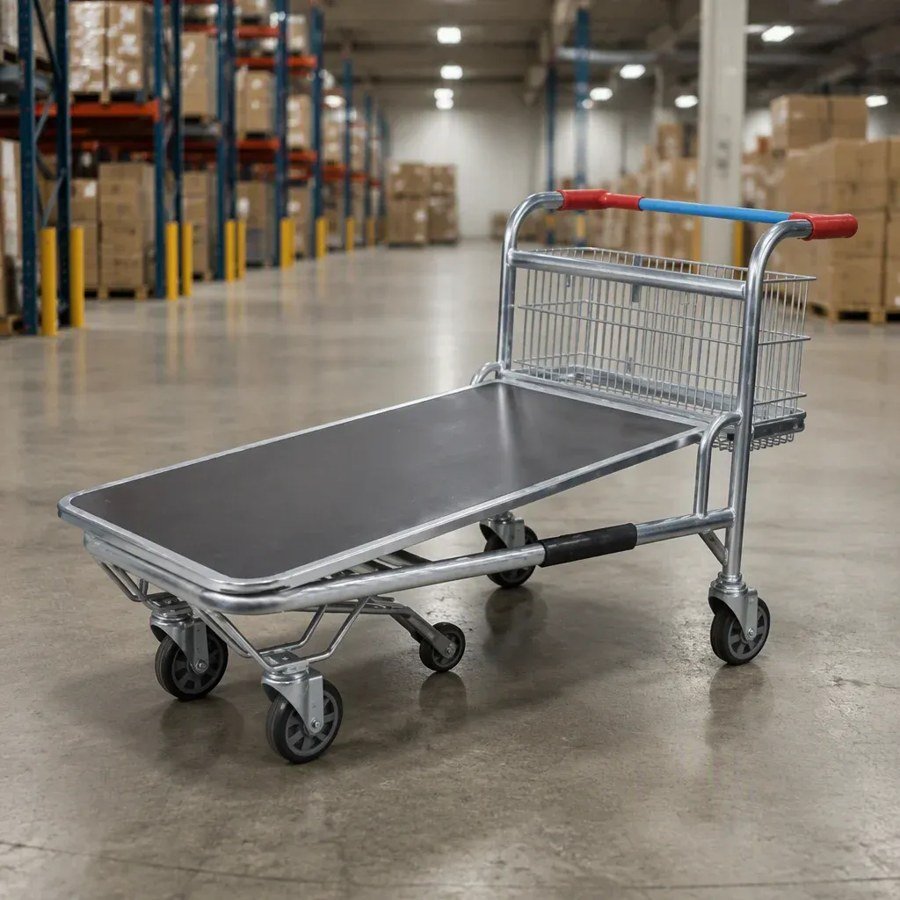
A framed steel deck. Sides or a frame on a solid steel deck, rated 500 kg on the steel order picking trolley from £51 ex VAT, bulk price. Use it where loads are full cases and the trolley will be pushed loaded over door thresholds and across a yard. If you are moving stacked cases between a lorry and a shop floor rather than picking, compare it with a roll cage instead.
Comparison: picking trolley pattern, rated load and guide price
| Pattern | Rated load | Best for | Guide price |
|---|---|---|---|
| Wire basket picking cart | 500 kg | Single order picking, returns, waste | from £29 ex VAT, bulk price |
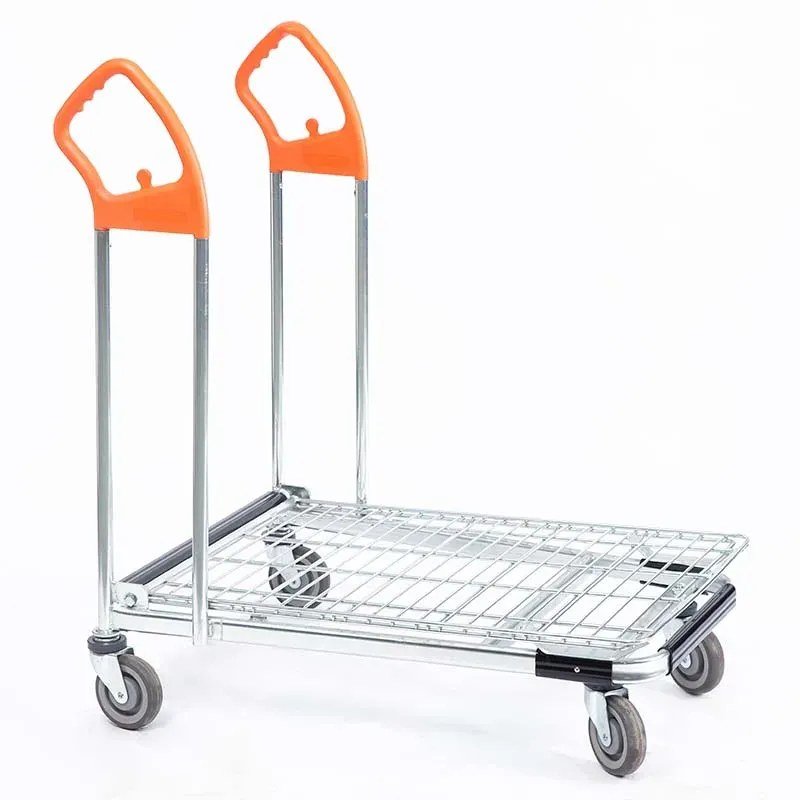
| Zinc plated mesh cart | Confirmed on your written quote | Chilled rooms, wash down areas | from £37 ex VAT |
| Three tier wire shelf trolley | 100 kg total | Several orders at once, totes and cartons | from £48 ex VAT, bulk price |
| Framed steel stock trolley | 500 kg | Full cases, cash and carry, wholesale | from £51 ex VAT, bulk price |
The spread across these four is about £22 a trolley. Over a fleet of twenty that is real money, but it is small next to a picker walking a second trip because the trolley was the wrong shape. Match the pattern to the round first, then look at the figure.
How many tiers do your pickers actually need?
Count the orders a picker takes on one walk. If it is one, a basket is faster and cheaper. If it is two or three small orders, tiers pay for themselves on the first week, because the picker stops sorting at the bench. Above three orders, people start double stacking tiers and the benefit goes away.
Then check the weight. A three tier trolley rated 100 kg is about 33 kg a shelf if you load it evenly, which is fine for cartons, totes, packets and bottles in cases of six or twelve. It is not fine for tins, tiles or anything in a 25 kg sack: for those you want a 500 kg basket or a framed deck, and the shelves would bow long before the trolley ran out of rating.
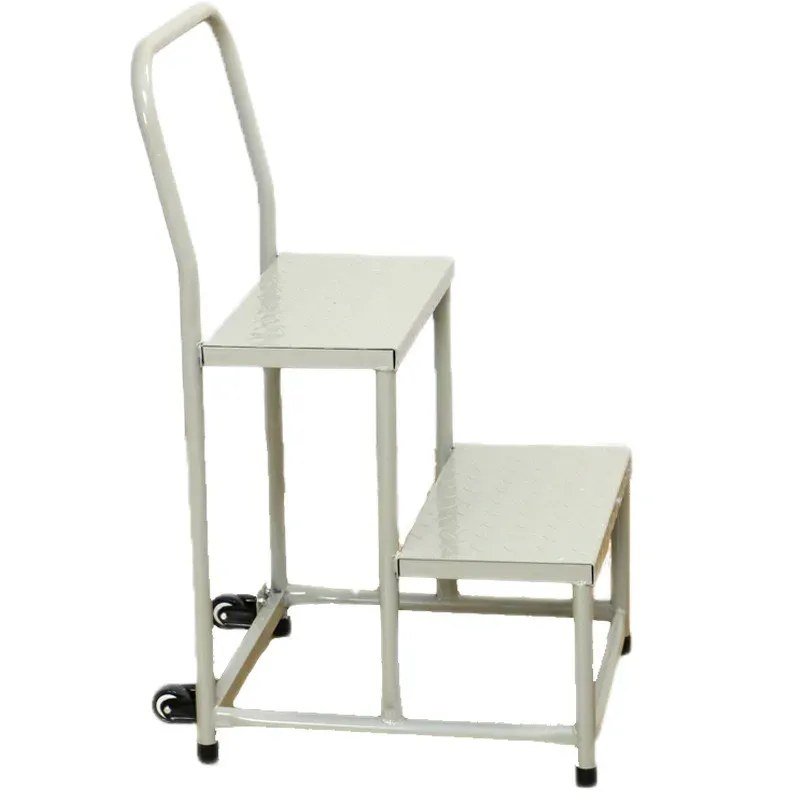
Height matters as much as tiers. A trolley the picker can see over is safer on blind corners, and the heavy items belong on the shelf nearest waist height so nobody lifts above the shoulder. Where staff also reach high shelves, pair the trolley with mobile steps.
Castors, finish and floors: what makes a picking trolley last
Castors fail before frames do. For smooth sealed concrete, nylon wheels roll lightest. For tiled shop floors, cracked concrete or a yard with a lip at the door, polyurethane wheels of 100 mm or more give a quieter, kinder ride and climb thresholds without stopping the trolley dead. Two swivel and two fixed castors track straight down a long aisle; four swivel castors turn on the spot in a tight stockroom but wander on a long push.
Finish follows the room. A painted frame is fine in a dry stockroom. Zinc plating, as on the mesh cart from £37 ex VAT, lasts longer in chilled areas, near a wash down bay or where trolleys live outside under a canopy, because chipped paint is where rust starts. Stainless mesh is the step above that, for food preparation areas and anywhere the trolley is cleaned with chemicals.
Look at the welds and wheel mounts in the photographs we send before dispatch. On a trolley loaded with a shove all day, the handle joints and castor plates give way first, not the mesh.
What to check before you buy a picking trolley
- Aisle and door widths. Measure the narrowest point on the round, including the gap between a shelf end and a chiller door, and leave room for the picker beside the trolley.
- Rated load against your heaviest realistic load. Rated load is for the whole trolley. Divide by the number of tiers and compare that with what actually goes on a shelf.
- Floor condition. Thresholds, drainage channels and tiles decide the wheel size and material.
- Nesting and storage. If trolleys stand idle between deliveries, check whether the pattern folds or nests, and how many will fit in the space you have.
- Handle height and grip. Staff of different heights push these all day, and a handle that is too low means a bent back on every trip.
- Spares. Castors are consumable. Confirm that the wheel size on the trolley is one you can reorder, so a seized castor does not take the trolley out of use.
- What is on the quote. Price, carriage, VAT and the specification are confirmed on your written quote by email, which is valid 30 days. Prices on the site are guide prices in GBP ex VAT.
If you send us the aisle width, the heaviest load and how many orders a picker carries at once, we will come back with two patterns and the prices for your quantity. Start from the picking trolley range.
Picking trolleys in this guide
Questions people ask
What is the difference between a picking trolley and a platform trolley?
A picking trolley has a basket, shelves or a frame so stacked cases cannot slide off while staff walk a pick round. A platform trolley is a flat deck with no sides, for loose boxes and bulky items across a flat floor.
How much does a picking trolley cost?
A 500 kg wire basket picking cart starts from £29 ex VAT, bulk price. A three tier wire shelf trolley is from £48 ex VAT, bulk price and a framed steel 500 kg stock trolley from £51 ex VAT, bulk price. Your written quote confirms the price for your quantity.
Is a three tier trolley strong enough for cases of tins?
Usually not. A three tier trolley rated 100 kg is about 33 kg a shelf, which suits cartons, totes and packets. For tins, tiles or 25 kg sacks use a 500 kg basket cart or a framed steel deck.
Do picking trolleys fold flat?
Some patterns do. The two tier mesh carts fold, and so do some wire basket carts, while most heavy duty basket carts have a fixed frame. If storage space decides it, say so on your enquiry and we will quote a folding pattern.
Which castors should I ask for?
Polyurethane wheels of 100 mm or more for tiled floors, cracked concrete or door thresholds, and nylon for smooth sealed concrete. Two fixed and two swivel castors track straight on long aisles; four swivel castors turn on the spot in a tight stockroom.
Can I see the trolleys before they are sent?
Yes. Every order is inspected before dispatch and we send photographs and video of your trolleys. Delivery is anywhere in the UK and the date is confirmed on your written quote.