Comparison · · Warehouse Step Ladders & Ladder Trolleys
Warehouse steps for restocking: ladder trolley, folding steps or a platform
Warehouse steps start at £40 ex VAT for a two step stainless ladder trolley and run to £96 ex VAT, bulk price for a large platform set on castors. Most of the 24 sets in the range are rated 500 kg, which has to cover the picker and whatever they carry up. The choice is settled by three numbers: the height of your top shelf, the width of the aisle it stands in, and how much stock goes up in one trip.
Which warehouse steps for which job, and what do they cost?
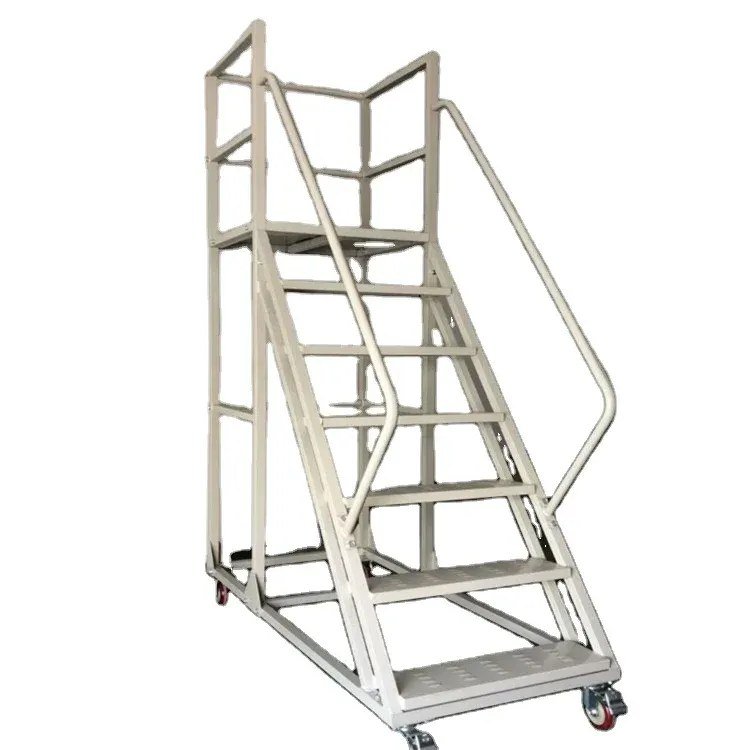
Four shapes of steps cover almost every restocking job in a cash and carry, stock room or warehouse. A ladder trolley is two steps on castors that the picker pushes along with them. Folding steps store flat against a wall when the aisle is tight. Mobile steps of three to six treads give a proper standing platform. A large platform set with rails is for someone who works at height for minutes rather than seconds.
Prices below are guide prices in GBP ex VAT from the ladder truck range. Freight, VAT and lead time are confirmed on your written quote.
| Type | Steps | Rated load | Best for | Price |
|---|---|---|---|---|
| Stainless ladder trolley | 2 | Stainless frame | Quick reach into the second shelf, wet, chilled or food areas | from £40 ex VAT |
| Folding steps with roller | Folding | 500 kg | Stock rooms with no spare floor space | from £44 ex VAT, bulk price |
| Mobile steps, three treads | 3 | 500 kg | Everyday aisle restocking and shelf edge labels | from £47 ex VAT, bulk price |
| Large platform rolling ladder | Platform | 500 kg | Longer jobs at height, two hands working | from £96 ex VAT, bulk price |
Rated loads across the range run 250 kg, 360 kg, 500 kg and 1,000 kg. The 500 kg sets are the ones most buyers settle on, because the figure has to carry the picker, their boots, and the case of stock in their arms.
Do your pickers need warehouse steps, a ladder trolley or steps that carry stock?
Watch one restocking round before you choose. If the picker goes up empty handed to pull a single carton down, a two step trolley is enough and the stainless version at £40 ex VAT costs less than a day of someone climbing on shelf edges or upturned crates.
If they go up with both arms full, that is a different purchase. Carrying stock up means no hand on the rail, which is the point at which a flat platform and a guardrail earn their money. The three tread set at £47 ex VAT, bulk price gives a standing platform at a working height most gondola runs need, and the large platform set at £96 ex VAT, bulk price gives somewhere to stand and turn.
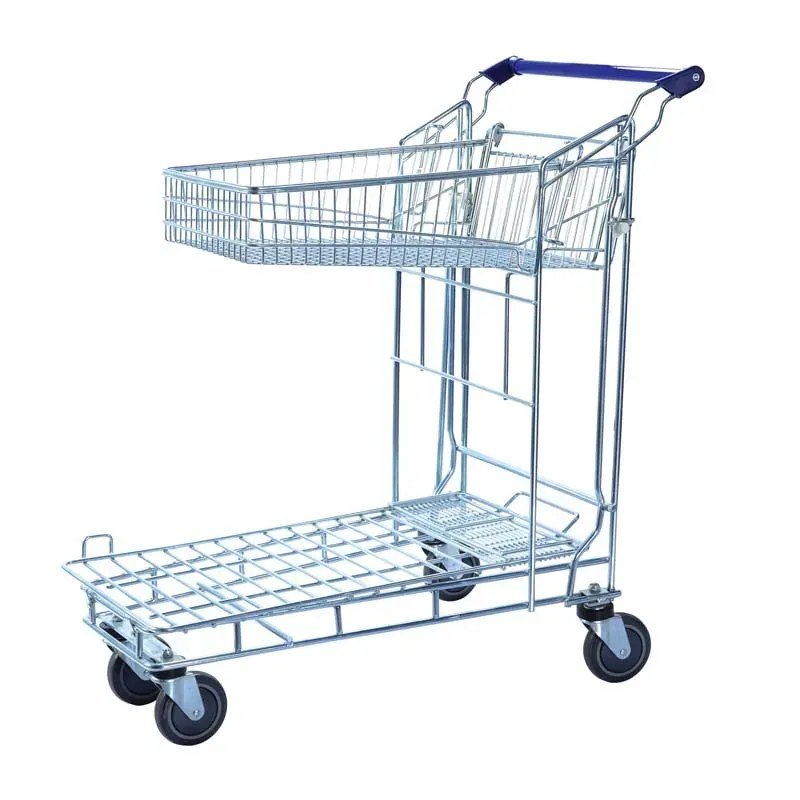
If the job is a full aisle of replenishment rather than one shelf, the steps should move the stock too. A wire mesh picking trolley with built in steps is rated 1,000 kg and is from £72 ex VAT, bulk price: the stock rides in the cage, the picker climbs the steps at the end, and the round is one trip instead of five. The same idea in trolley form sits in the picking trolley collection.
Will they fit? Aisle width, top shelf height and where the steps live
Two measurements decide this, and both are yours, not ours. Measure the height of the top shelf you actually pick from, then decide how far above the platform you want the picker reaching with both hands. Subtract one from the other and you have the platform height to ask for. Quoting a set by step count alone is how buyers end up with steps that are a tread short.
Then measure the narrowest aisle the steps have to work in, with a pallet or a cage already in it, because that is the real width. A set that needs the whole aisle will be parked at the end of the run and the shelf climbing starts again. Where the aisle is tight, folding steps at £44 ex VAT, bulk price solve it differently: they roll in on the roller, open where they are needed and fold flat against the racking afterwards.
Last, decide where the steps stand when nobody is on them. Not in a fire route, not in a gangway a forklift or pallet truck shares, and not somewhere a forklift mast can clip the rails. A marked bay at the end of each aisle costs nothing and keeps the steps in use.
Castors, brakes and treads: how warehouse steps should behave under a picker
A set of steps is only as good as the way it stands still. Ask the quote to confirm the castor and brake arrangement on the model you are buying: how the set is locked before anyone climbs, whether the brakes are foot operated, and whether the castors are rubber or polyurethane for the floor you have. Rubber marks less on sealed concrete, polyurethane rolls lighter under load.
On treads, look for a grit finish or a punched anti slip pattern rather than bare painted steel, which goes slick as soon as the floor is wet or dusty. Check the tread depth is enough for a full boot, and that the top tread of a platform set is a flat standing area rather than one more rung.
Frame finish follows the building. Painted steel is right for a dry warehouse. Stainless steel, as on the two step trolley at £40 ex VAT, is for chilled rooms, washdown areas and anywhere food is open, because paint chips at the welds and rust follows.
What to check before you buy warehouse steps
Run through this list before you sign off a quote, and put the answers in writing rather than taking them from a photograph.
- Platform height, not step count: the figure that matches your top shelf.
- Rated load for the person and the stock together. The 500 kg sets cover most work; the lighter 250 kg and 360 kg sets suit shop floors where only labels and small cartons go up.
- Footprint and opened length against your narrowest working aisle.
- Castors, brakes and how the set is locked before anyone climbs it.
- Tread finish and depth, plus a flat platform if the picker uses both hands up there.
- Guardrails or a handrail on anything above a couple of treads.
- Frame finish: painted steel for dry stores, stainless for wet, chilled or food areas.
- Who checks them daily, and who records the periodic inspection.
Guide prices for every range sit on the price guide. Price, freight, duty, VAT and lead time are confirmed on your written quote, which holds for 30 days.
Who inspects warehouse steps, and what the rules expect
Mobile steps are work equipment, so PUWER 1998 applies: the equipment has to be suitable for the job, kept in good repair, and inspected where its condition could deteriorate and cause a risk. In practice that means two habits rather than paperwork for its own sake.
First, a look over before use by the person climbing: treads clean and sound, rails tight, castors and brakes working, nothing bent at the welds. Second, a recorded check at a set interval, written down with a date and a name, so a worn tread or a seized castor is found by the person doing the check and not by the picker standing on it.
Steps that fail either check come out of service there and then. That is easier to do when the bay has a spare set in it, which is one argument for buying one more than the aisle count rather than one fewer.
Warehouse steps in this guide
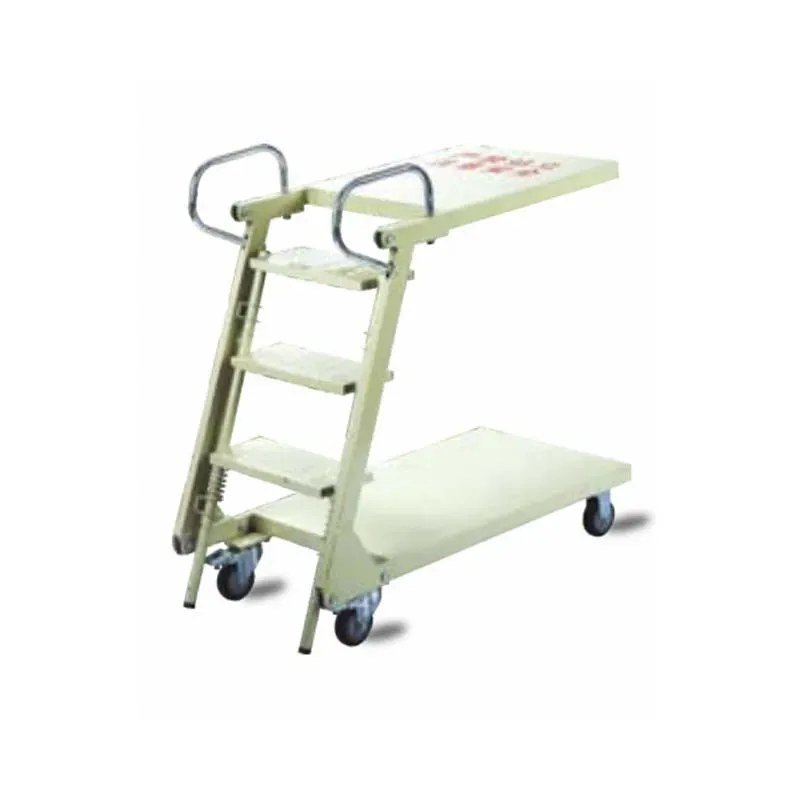 Two-Step Stainless Steel Ladder Trolleyfrom £40 ex VAT
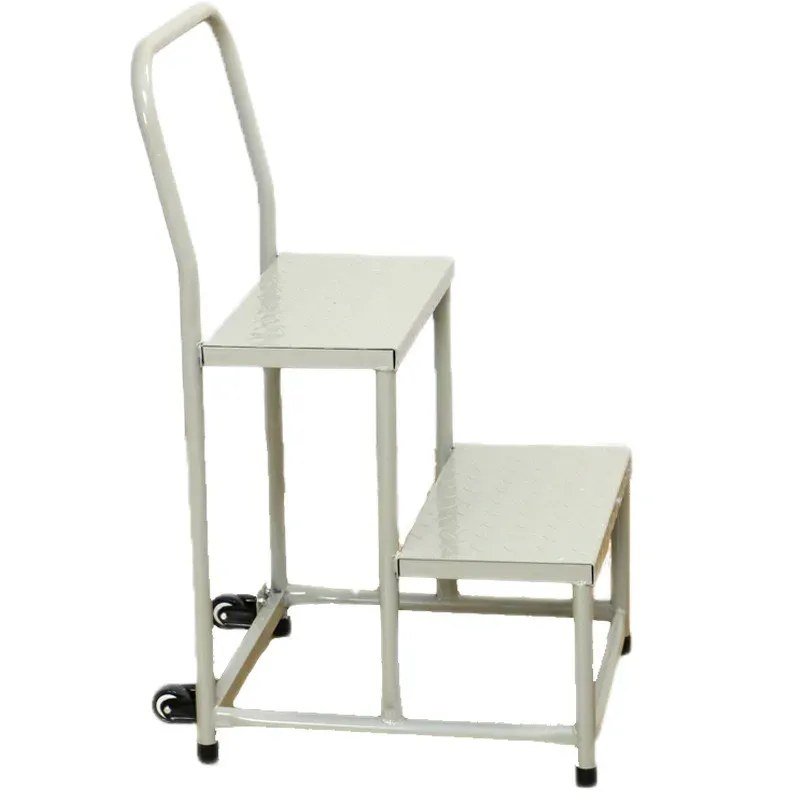 Modern Folding Steel Step Ladder With Movable Rollerfrom £44 ex VAT, bulk price
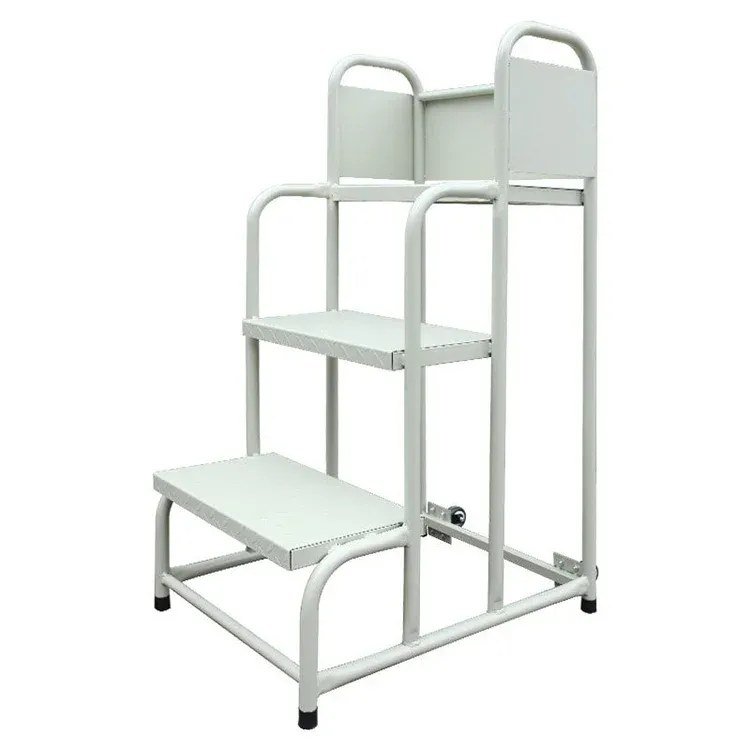 Warehouse Metal Heavy Loading High Safety 3 Steps Mobile Laddersfrom £47 ex VAT, bulk priceWarehouse Safety Steel Large Platform Rolling Ladderfrom £96 ex VAT, bulk price
Questions people ask
What load are warehouse steps rated to carry?
Most mobile sets in the range are rated 500 kg, with lighter 250 kg and 360 kg models for shop floor work. The rating covers the person and the stock they carry up together, so read it as a working limit rather than a shelf capacity.
How much do warehouse steps cost?
A two step stainless ladder trolley is from £40 ex VAT. Folding steps with a roller are from £44 ex VAT, bulk price, a three tread mobile set is from £47 ex VAT, bulk price, and an eight step set with a safety rail is from £140 ex VAT, bulk price.
Can a picker climb warehouse steps carrying a case of stock?
Only on a set with a flat platform and rails, because carrying stock means no hand on the handrail. Where stock goes up on every trip, a mesh picking trolley with built in steps keeps the load on wheels instead of in the picker's arms.
Do warehouse steps need to be inspected?
Yes. Under PUWER 1998 they are work equipment, so they need a pre use look over by the person climbing and a recorded check at a set interval. Treads, rails, welds, castors and brakes are the items that matter.
Can I order one set of steps?
Yes. Tell us the quantity you want and the written quote confirms the price for that quantity, along with freight and VAT.
Are stainless steel steps worth the money?
In chilled rooms, washdown areas and anywhere food is open, yes, because painted steel chips at the welds and rust starts there. The two step stainless trolley is from £40 ex VAT, which is less than most painted platform sets.
Sources: HSE guidance on PUWER 1998